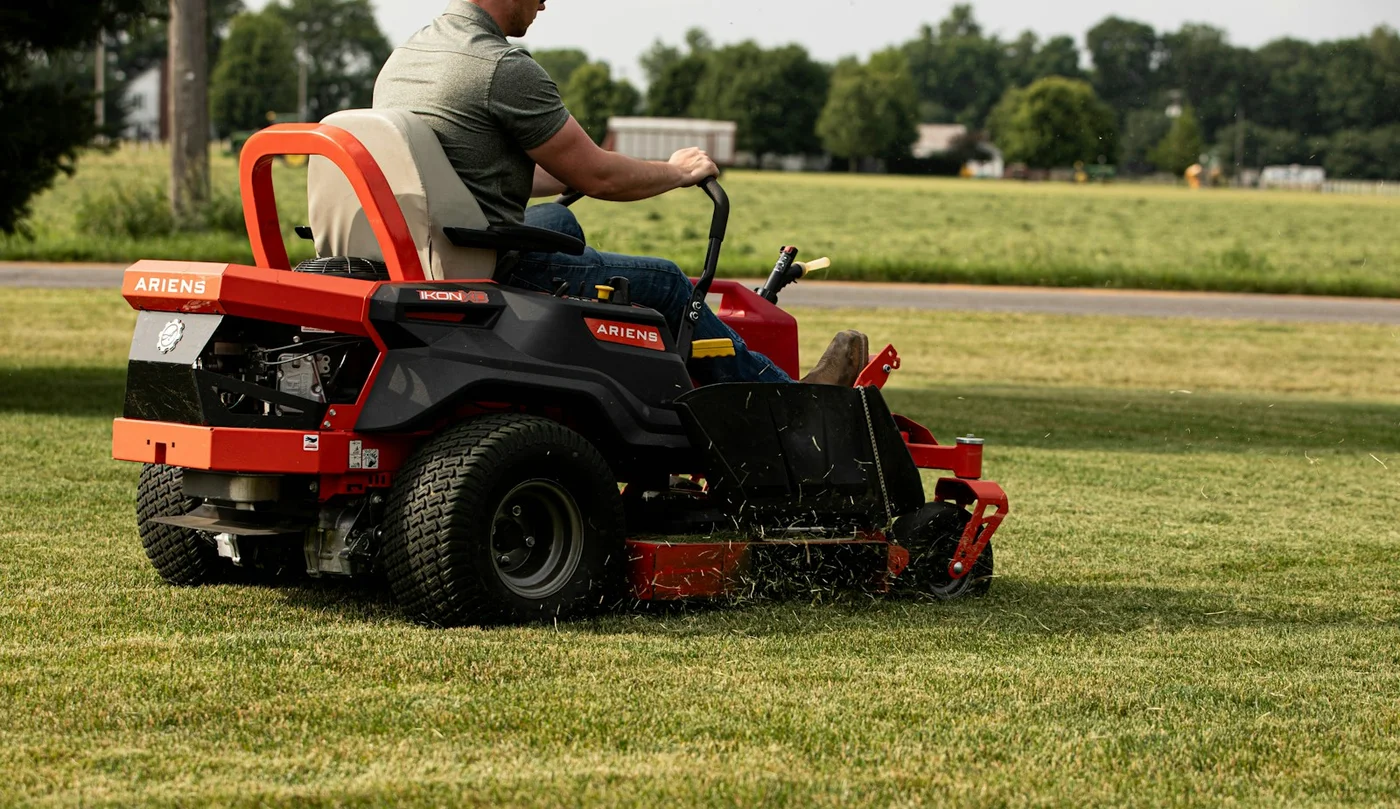
If your grass looks overgrown well before the next cut, a two-week schedule probably isn't giving you the finish you want. Compare mowing plans by how the lawn looks between visits, as well as the price per cut.
Think About the Time Between Cuts
A fast-growing lawn can become uneven before a two-week appointment arrives. Longer grass can also mean more clippings and more time spent returning the property to a tidy condition. During slower growth, the same interval may produce a very different result.
Explain whether you want a consistently neat front lawn or mainly need help keeping the property manageable. Tell the contractor about shade, obstacles, slopes, and areas that are often wet. These details help establish a realistic route and visit plan.
Ask How Weather Affects the Arrangement
A recurring visit isn’t a guarantee that equipment should cross soft ground on a particular day. Ask how rain delays are communicated, when a visit is moved, and whether changes in growth can trigger a discussion about frequency.
Compare the same inclusions: mowing, trimming, agreed edging, and clearing clippings from hard surfaces. An inexpensive cut that leaves the work you dislike most unfinished may be poor value for your household.