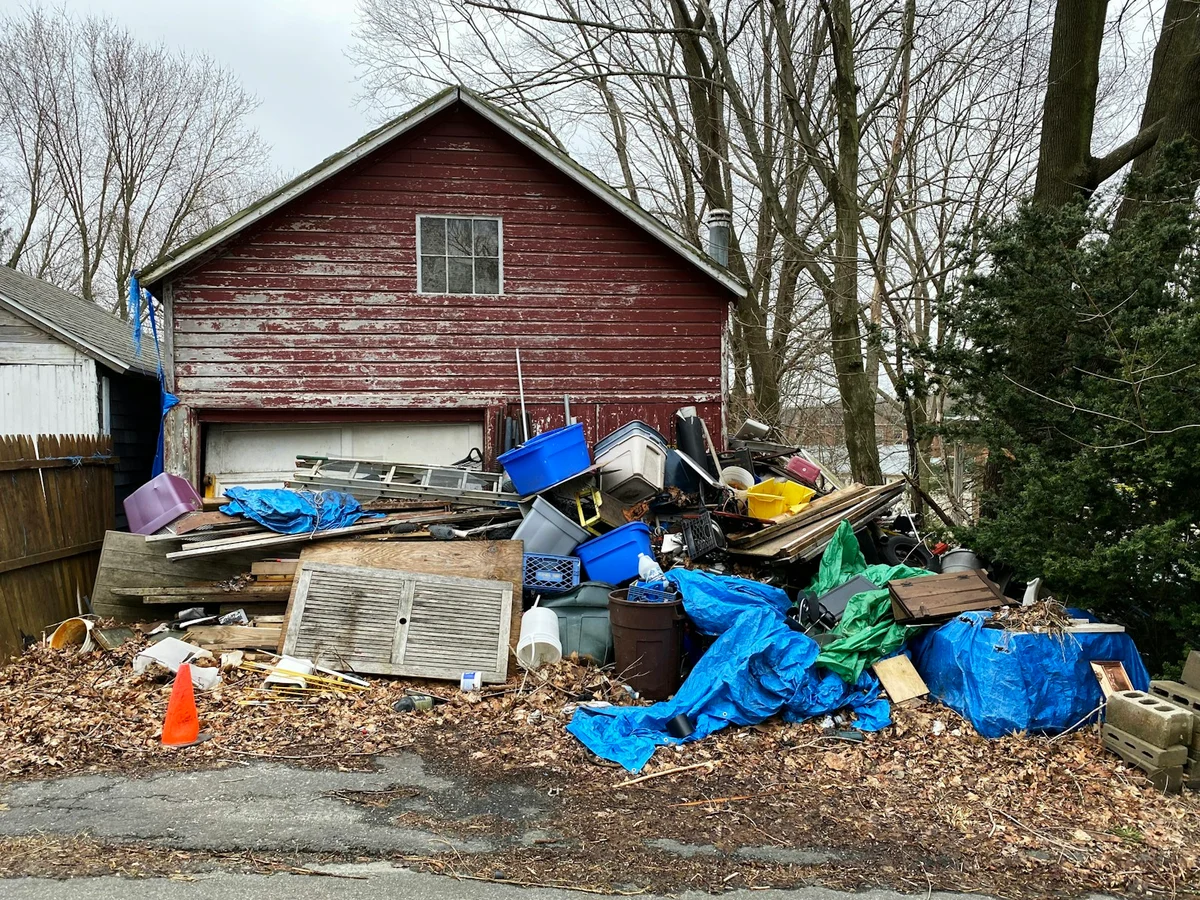
Leaves, broken chairs, old pots, and unidentified containers shouldn't all end up in the same removal pile. Sorting them first makes it easier to confirm what can be collected and how it will be handled.
Describe What the Pile Contains
Use straightforward categories: loose plant material, bagged yard debris, furniture, metal objects, and other non-hazardous household clutter. Photograph the contents before they are covered. If a bag contains mixed material, say so instead of describing every bag as yard waste.
Keep chemicals, paint, fuel, batteries, and unidentified liquids out of the pickup pile. Iron Oaks doesn’t accept hazardous materials. The Region's household hazardous waste page explains resident disposal options; business waste may follow different arrangements.
Don’t Assume All Disposal Routes Are Interchangeable
A household collection programme isn’t automatically available to a commercial hauler. Ask the contractor to confirm the disposal route and charges for the agreed load. If you’re managing some material yourself, keep that portion clearly labelled.
Make the Quote Review Easier
- Show the full pile and separate close-ups of mixed material.
- State whether bags contain leaves, soil, rubble, or other contents.
- Identify heavy or awkward items.
- Explain loading access and carrying distance.
Confirm whether the price includes loading and disposal, not just transport. Accurate sorting gives you a clearer scope and reduces the chance that unexpected material will delay the collection or require a revised price.